
Inside One of Canada’s Largest Gatherings of Hard Tech and Climate Capital
The inaugural Canadian Climate Capital Summit offered LPs a clear view into where hard tech and climate capital is working in Canada and abroad, and where innovation is headed. (All photos by Emma Young - The Peanut Agency).
A new signal for climate and hard tech LPs
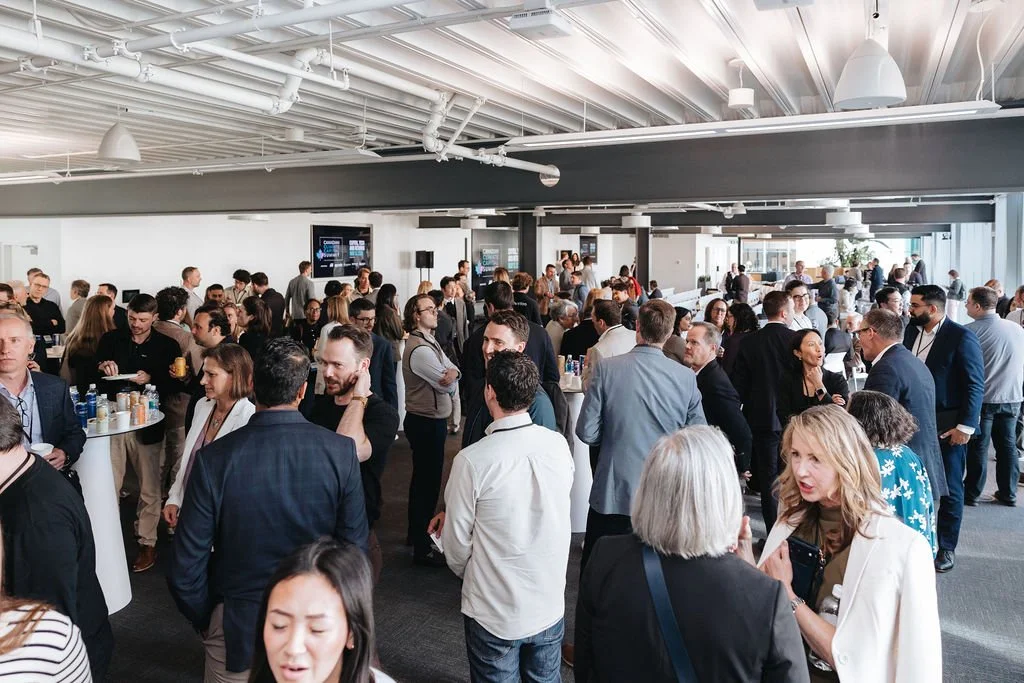
On Monday May 11, Pangaea Ventures joined Renewal Funds, Evok Innovations, Active Impact Investments, and NorthX Climate Tech to co-host the first Canadian Climate Capital Summit, bringing together one of the largest gatherings of climate and hard tech capital allocators in Canada.
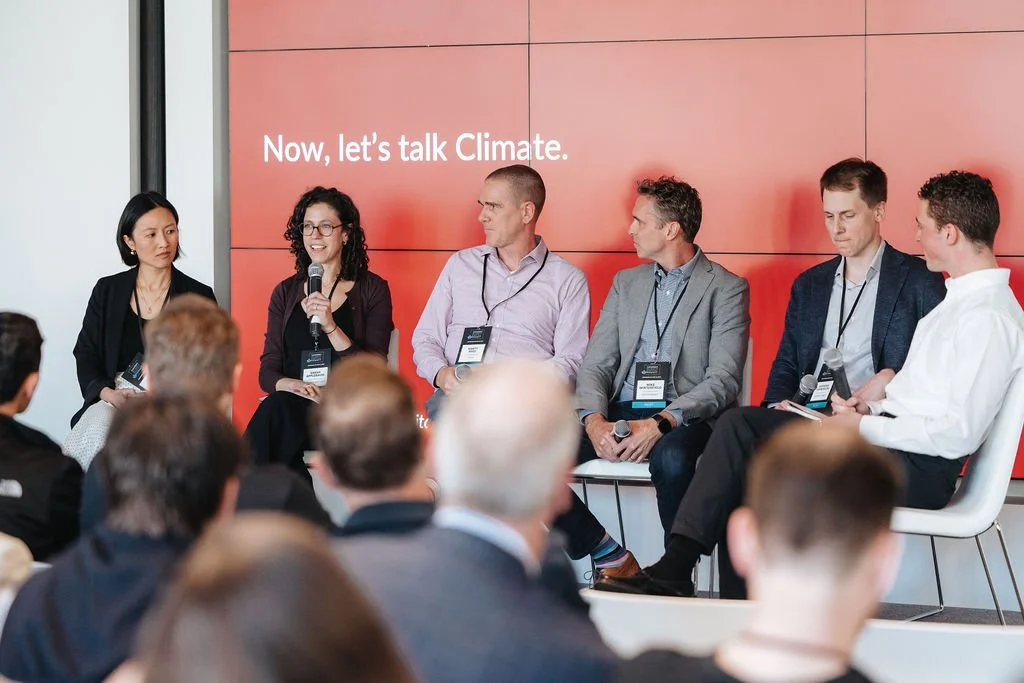
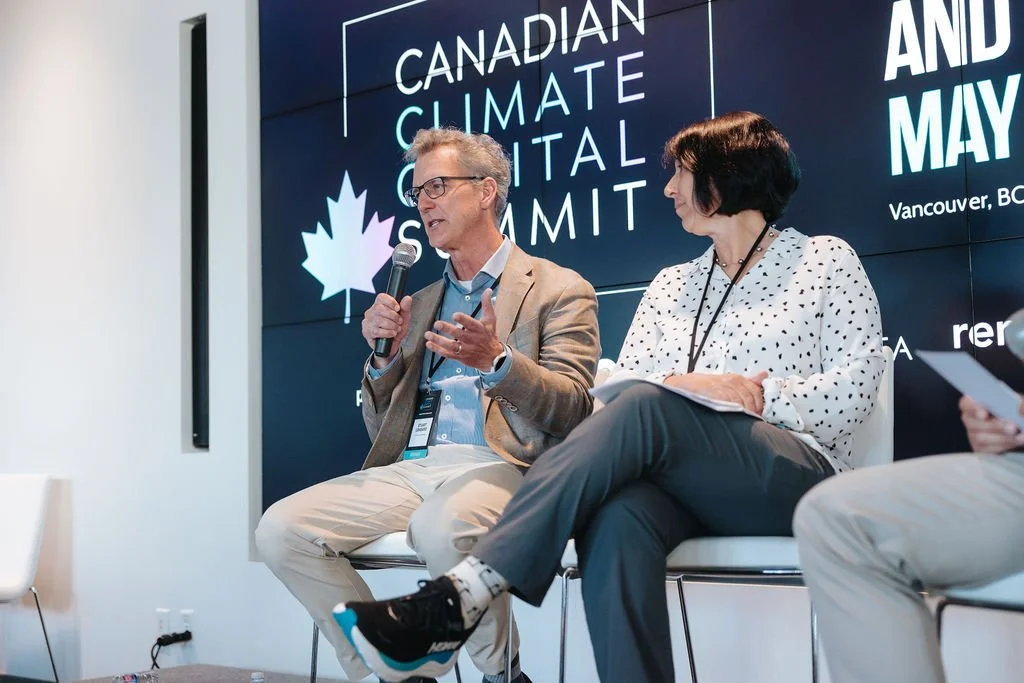
Pangaea Partner Sarah Applebaum in conversation with Partners from our co-host funds.
At a time when many are rightly asking whether climate tech has been overhyped, the Summit generated plenty of counter points. We compared notes with fellow managers on portfolio successes, exit pathways, and the role of climate and hard tech within broader real-asset and venture allocations; innovators shared news of genuine traction; and funders reaffirmed their interest and belief in supporting high growth, high impact companies. The tone was pragmatic, focused on execution risk, navigating headwinds, time horizons, and where patient capital can compound outcomes.
Where Canadian hard tech is scaling
The day was highlighted by founder talks from Pangaea portfolio companies pH7 and Tidal Vision, alongside portfolio companies from the other host funds: Summit Nanotech, CO280, Jetson, Maia Farms, Moment Energy, Rodatherm Energy, Cascadia Windows, and NESI (also a client of event partner Fort Capital).
Collectively, these companies represent active transformation across critical minerals, carbon management, electrification, energy storage, sustainable materials, industrial decarbonization, food security, and circular systems, offering attendees a cross-section of the climate stack where Canadian-funded companies are already scaling into repeatable revenue and capacity build-out.
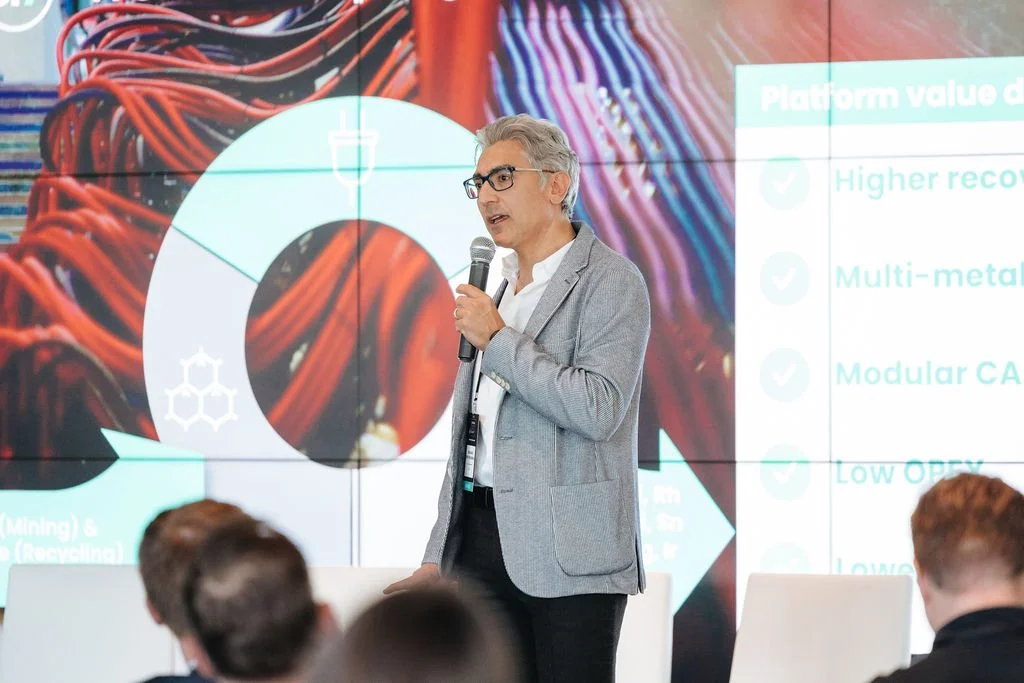
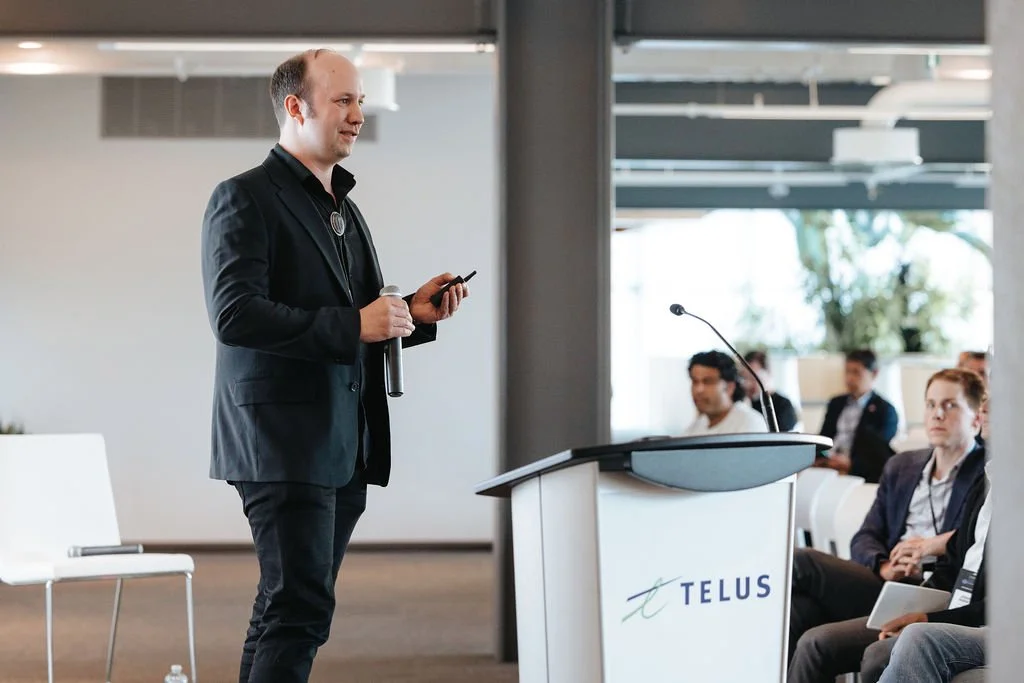


pH7 Technologies, represented by CEO Mohammad Doostmohammadi, shared their continued progress delivering critical metal recovery through chemistry-driven processes for industrial scale. Tidal Vision’s CEO, Craig Kasberg, delivered significant updates on the company’s progress successfully addressing today’s substantial chemistry and pollution challenges in the water treatment, agriculture, and material industries, illustrating how circular chemistry can create both margin and emissions advantages. Together, they reiterated how hard tech founders are turning complex science into repeatable industrial performance, the kind of traction that gives LPs confidence that climate and hard tech will continue to be durable parts of long-term portfolios.
System themes: from technology risk to delivery risk
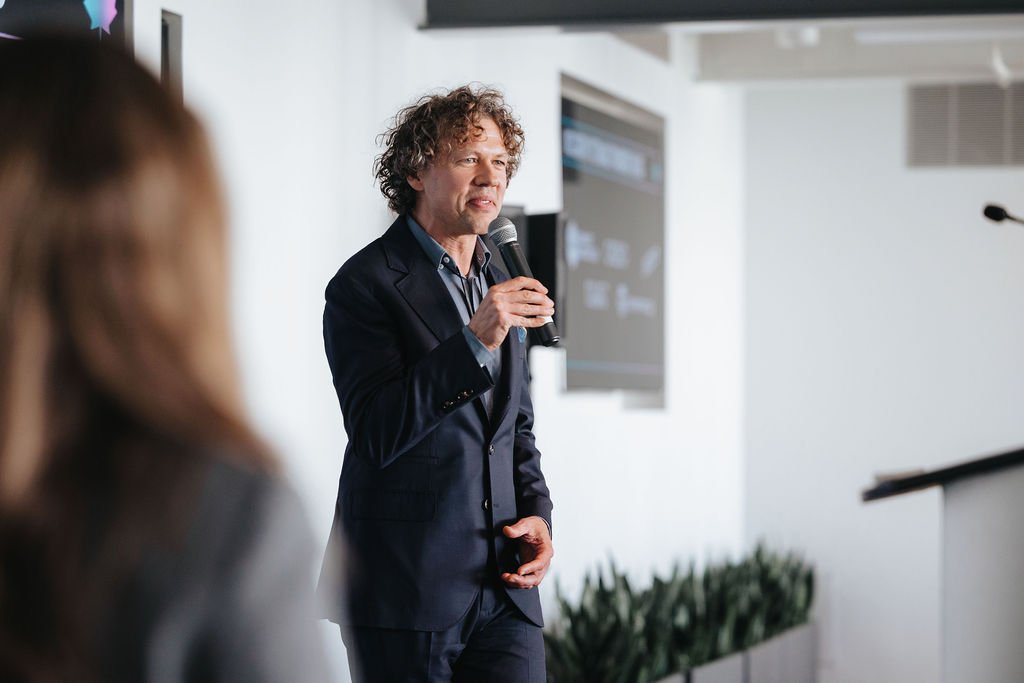
The day’s discussions, anchored by futurist and COP28 keynote speaker Matthew Griffin, reinforced a shift that many LPs are already tracking: in several categories, core technologies in photovoltaics, batteries, and nuclear have matured to the point where the dominant risk is project delivery, not scientific viability. Panels and side conversations dug into topics like technical diligence depth, TRL progression, scale-up bottlenecks, and how to structure capital stacks that match multi-year industrial buildouts.
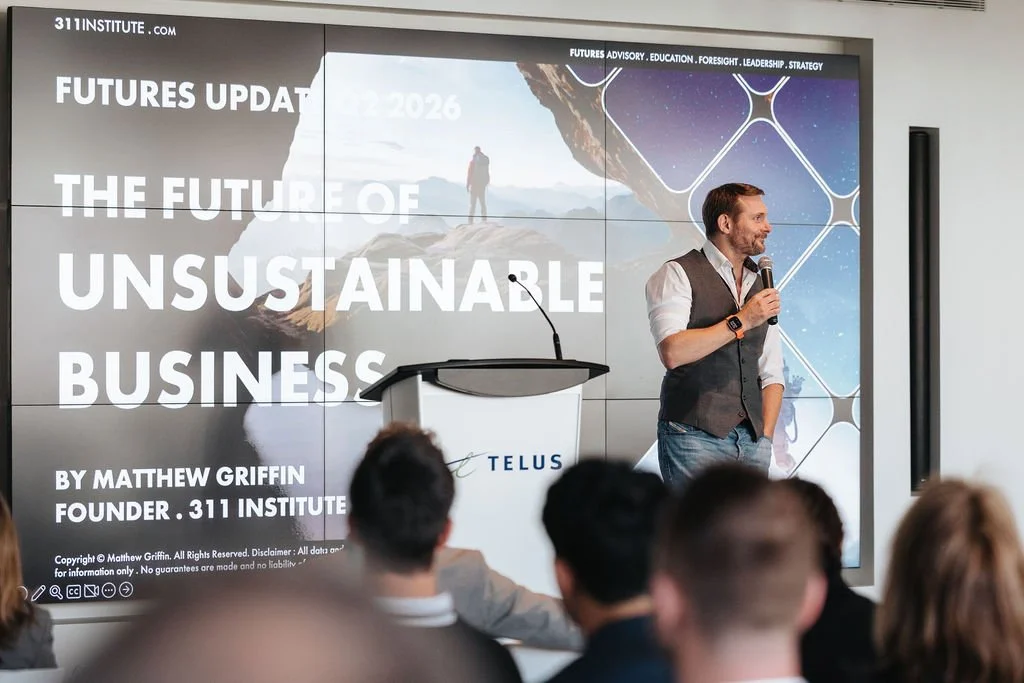
Keynote Matthew Griffin
Momentum was a recurring theme, not in the sense of hype, but in the steady improvement of founding teams, technical rigor, and alignment between sector-specialist GPs and their LPs. There was agreement with many in the room that climate tech, in spite of the noise, is a durable and global sector that will continue to play a lasting role in institutional portfolios even as appetite for climate solutions isn’t uniform across geographies.
Sponsors as critical infrastructure in the ecosystem

The event was hosted by five funds, but supported and nurtured by many partnering organizations. From Presenting Sponsor Fort Capital and event partners TELUS (our gracious venue host for the day), MNP, Osler, McCarthy Tétrault, Carta, RBCx, and InBC, whose participation was central to making the convening possible. These sponsors are vital, committed nodes in the ecosystem, connecting capital, customers, legal and financial infrastructure, and public-aligned capital into a more coherent climate and hard tech market.
The Summit was a signal that Canada is prepared to treat climate and hard tech capital as collaborative infrastructure that enables global industrial transformation.